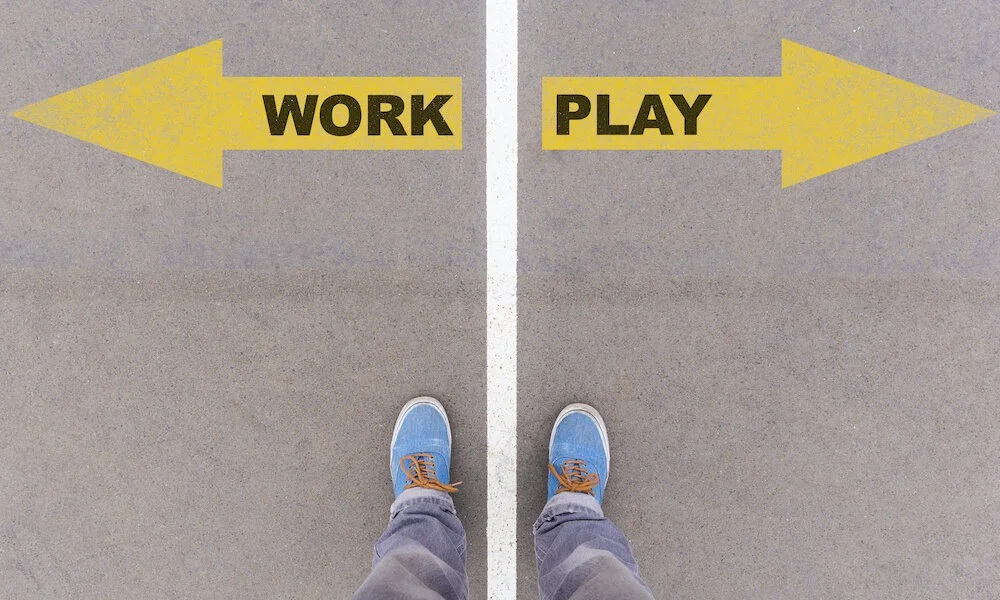
The Work and Play Lab uses methods from social psychology and cognitive science to understand the mental effort we use to reach our goals and how we spend our leisure time. Our recent research explores the effort paradox, empathy avoidance, and AI's surprising compassion (work) as well as how social media increases boredom and polarization, and the real effects of chronic cannabis use (play). We're committed to open and transparent science, publicly posting data and materials, preregistering studies, and running replications.
Michael Inzlicht is a Professor of Psychology at the University of Toronto, where he is also cross-appointed as a Professor in the Rotman School of Management and a Research Lead at the Schwartz Reisman Institute for Technology & Society. Recognized as among the top 1% of most-cited psychologists in the world for four consecutive years (2022-2025), Michael is passionate about open science and making psychology accessible through podcasts and public engagement.
Foulkes, L., Winterburn, I., Sandra, D., Inzlicht, M., Andrews, J., & Gulzman Holst, C. (in press). Nature Reviews Psychology.
Zohar, E., & Inzlicht, M. (in press). Journal of Experimental Psychology: General.
Professor Michael Inzlicht is featured in a recent Toronto Star article about Toronto’s growing “edutainment” scene.
The article says that there is a growing appetite for bringing lectures into local bars, where young professionals gather to learn, connect, and share ideas over food and drinks. Events like Brains & Barstools blend casual socializing with talks from experts on topics ranging from AI empathy to literature and politics. With weekly sellouts, these gatherings highlight a rising interest for community, curiosity, and meaningful conversation.
Asked why he was interested in participating in the event, Professor Inzlicht is quoted as saying: "I like beer, and I like talking to people." Adding: "I suspect there were fewer people here on their phones than in a typical lecture of mine."
"I am aware it's a machine but it's super convenient and knows how to listen well whenever I need it," says Anna, a Ukrainian living in London. She is talking about her regular use of the premium version of ChatGPT, a chatbot powered by artificial intelligence.
What Anna – the BBC is not using her real name to protect her identity – finds particularly valuable isn't necessarily the AI's advice, but its ability to give her space for self-reflection.
"I have a history with it, so I can rely on it to always understand my issues and communicate with me in a way that suits me," she says. She is aware that this might seem odd to many people, including her friends and family, which is why she has asked to remain anonymous.
A new study has warned that without intervention, ADHD education could cause many young people to wrongly diagnose themselves
Growing awareness and education around ADHD may be leading to false self-diagnoses among young people, a new study has claimed. Researchers from the University of Toronto say that while education is crucial, it may also trigger a mistaken belief that common issues that young adults face, like tiredness and irritability, are the symptoms of ADHD. The study’s lead author, Dasha Sandra, said young people should not be discouraged from seeking help, but believes mental health education needs to be refined to include more context around the symptoms.
Michael Inzlicht
Department of Psychology
University of Toronto Scarborough
1265 Military Trail
Toronto, Ontario M1C 1A4
Canada
Email: michael.inzlicht@utoronto.ca
Carmona-Díaz, G., Jiménez-Leal, W., Alejandra Grisale, M., Sripada, C., Amaya, S., Inzlicht, M., Bermúdez, J.P. (in press). Behavior Research Methods.