


Work And Play Lab (Copy)
Work And Play Lab (Copy)
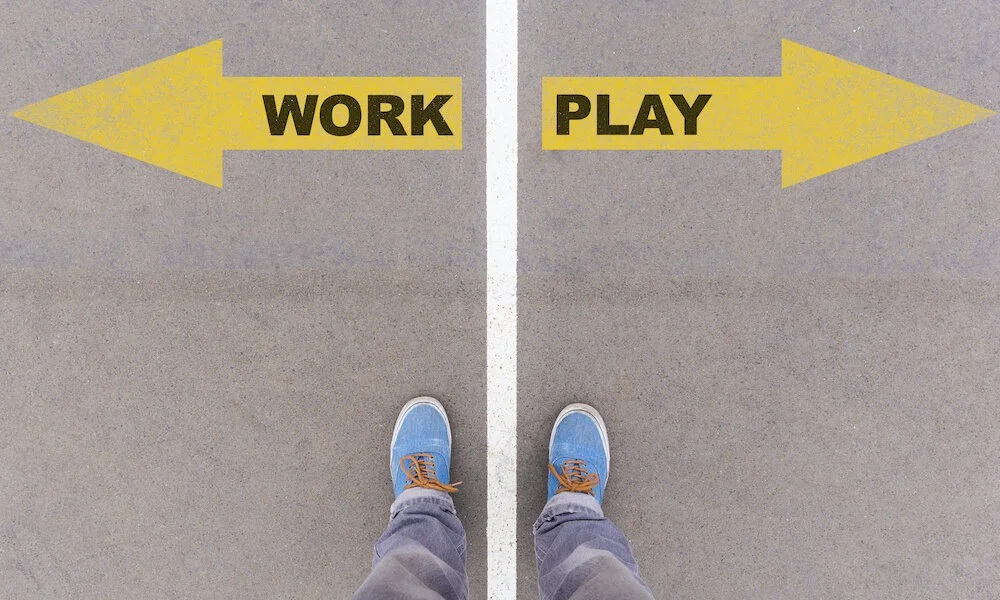
Why does empathy or self-control feel like hard work? Why do people spend their leisure time on social media or getting stoned?
The Work and Play Lab uses methods borrowed from social psychology, cognitive science, and neuroscience to understand the nature of the mental effort we use to reach our goals and the nature of leisure activities we do for fun. The lab’s research includes projects on self-control, motivation, and empathy (work) as well as projects on digital device use, social media, and recreational cannabis use (play). The lab is committed to open and transparent science, which includes publicly posting data and materials, often preregistering studies, and regularly running replication studies.
About Michael (Copy)
About Michael (Copy)
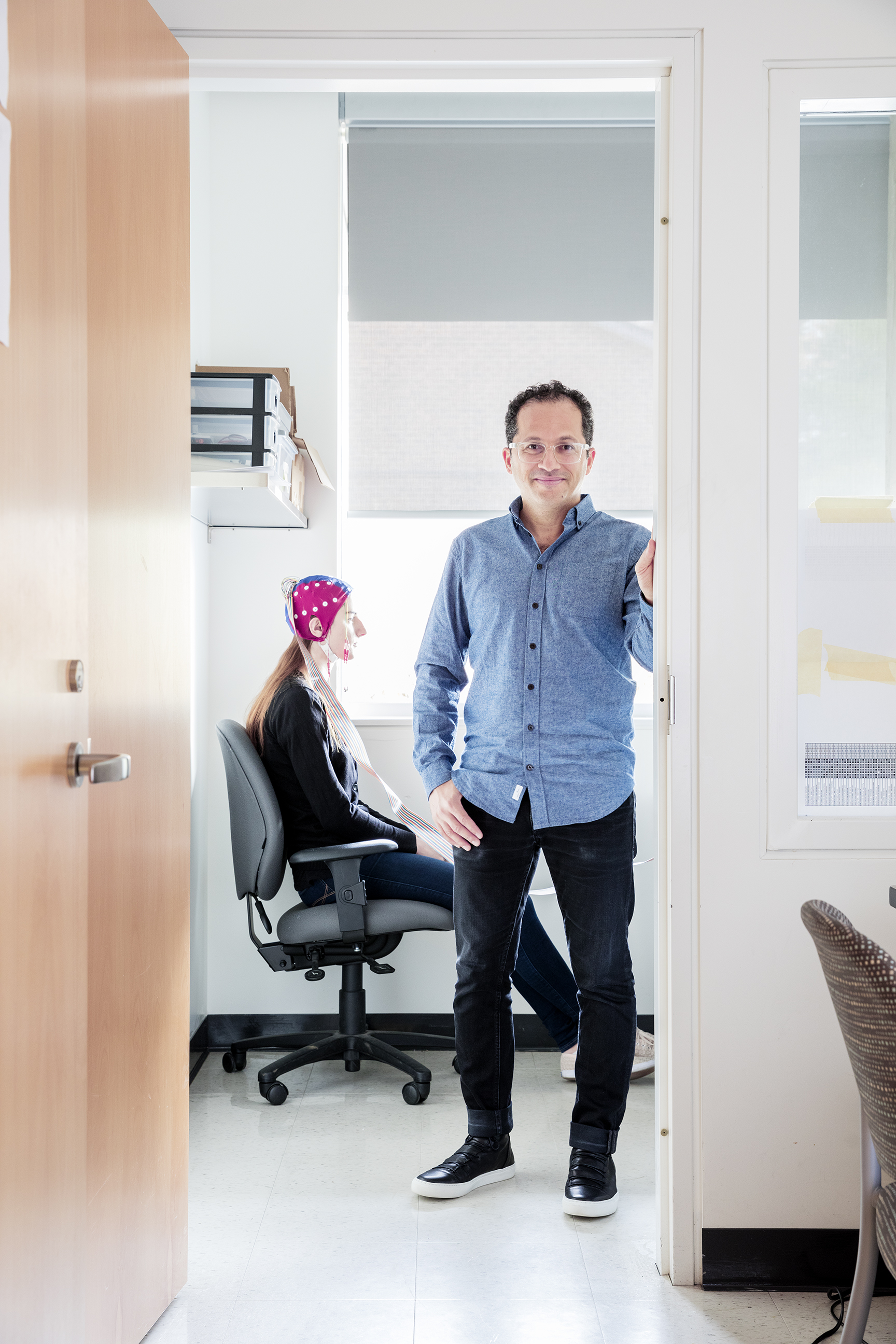
Michael Inzlicht is a Professor of Psychology at the University of Toronto, where he is also cross-appointed as a Professor in the Rotman School of Management. His research mostly focuses on effort and self-control, but he has also become interested in how people spend their leisure time. Michael is passionate about open science.
Publications (Copy)
Publications (Copy)
Recent Publications
News (Copy)
News (Copy)
Featured News



Contact (Copy)
Contact (Copy)
Michael Inzlicht
Department of Psychology
University of Toronto Scarborough
1265 Military Trail
Toronto, Ontario M1C 1A4
Canada
Email: michael.inzlicht@utoronto.ca
Depow, Oveis, Zohar, Inzlicht (in press). Social Media and Society.