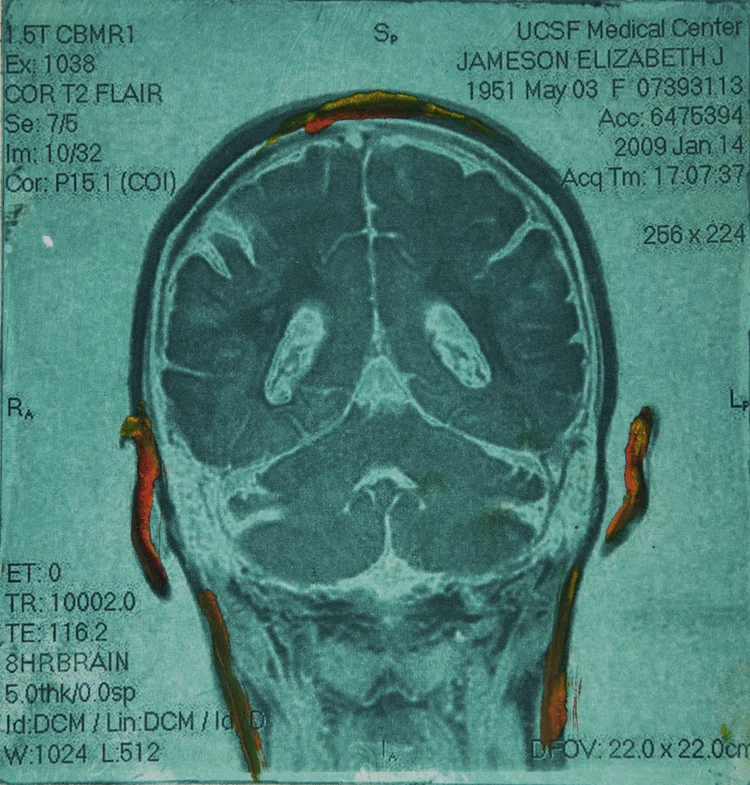
Some of you might be asking why I’m bothering to do this. In the parlance of our time, some of you might be wondering if I am speaking in a braggadocious manner, showing off. If I am coming off this way, dear readers, please allow me this. In the past few months, I’ve revealed some skeletons in my closet, wallowed in self-pity, had fuck associated with my name, and divulged how I lost faith. So, please allow me this brief moment of pride.
Filter By Keyword
- neuroscience
- self-control
- emotion
- motivation
- ego depletion
- effort
- cognitive control
- ERN
- anterior cingulate cortex
- empathy
- prejudice
- stigma
- meaning
- replication
- stereotype threat
- artificial intelligence
- self-regulation
- experience sampling
- decision making
- meta science
- uncertainty
- religion
- cognitive dissonance
- education
- fatigue
- morality
- acceptance
- prosociality
- mindfulness
- political psychology
News
Featured

Collaborators
- Joshua Aronson, New York University
- Avi Ben-Zeev, San Francisco State University
- Elliot Berkman, University of Oregon
- Kirk Brown, Virginia Commonwealth University
- Daryl Cameron, Penn State University
- Belle Derks, Utrecht University
- Jennifer Gutsell, Brandeis University
- Greg Hajcak, Florida State University
- Eddie Harmon-Jones, University of New South Wales
- Jacob Hirsh, University of Toronto
- Cendri Hutcherson, University of Toronto
- Sonia Kang, University of Toronto
- Michael Larson, Brigham Young University
- Lisa Legault, Clarkson University
- Ian McGregor, University of Waterloo
- Marina Milyavskaya, Carleton University
- Sukhvinder Obhi, McMaster University
- Liz Page-Gould, University of Toronto
- Travis Proulx, Cardiff University
- Blair Saunders, University of Dundee
- Brandon Schmeichel, Texas A&M University
- Zindel Segal, University of Toronto
- Alexa Tullett, University of Alabama
University of Toronto
Organizations
- Association for Psychological Science
- Canadian Psychological Association
- Canada Foundation for Innovation
- International Social Cognition Network
- International Society for Research on Emotion
- National Academy of Education
- Natural Sciences and Engineering Research Council of Canada
- Social and Affective Neuroscience Society
- Social Psychology Network
- Social Sciences and Humanities Research Council
- Society for Personality and Social Psychology
- Society for Psychophysiological Research
- Spencer Foundation
My work was uplifting people, or so I told myself. Looking back, I suspect that feeling like I was on the right side of history was a kind of moral cover. Maybe I felt less wrong about the p-hacking because I was promoting social justice. The conclusions I drew were what the good guys already believed, after all. However, a scientist who wants to change the world in a particular direction is no longer beholden to the truth. They are beholden to a cause. I certainly was.
Read More